

 See My Latest Article on HelloNation
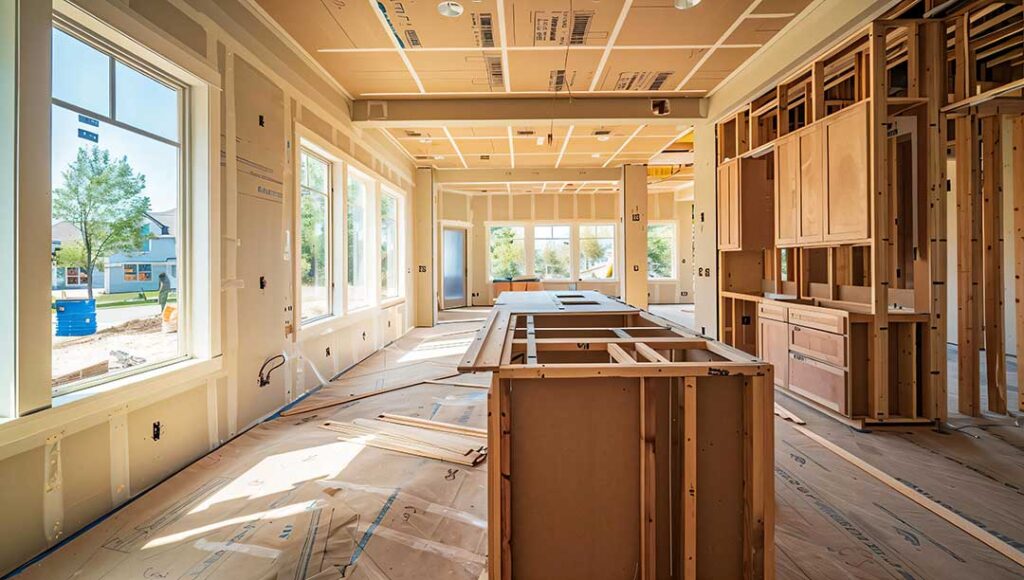
What is a punch list in home construction?
A punch list is a written record of unfinished work, defects, adjustments, or cleanup items identified near the end of a construction project. It helps the builder and homeowner track what still needs attention before the home is considered substantially complete.
The term does not refer to physical damage or a single inspection report. A punch list may include minor cosmetic corrections, incomplete installations, functional problems, missing documentation, or work that does not match the agreed plans and specifications.
Typical examples include:
- Touching up paint on walls, trim, doors, or cabinets
- Repairing scratches, dents, chips, or damaged finishes
- Adjusting doors that rub, stick, or fail to latch
- Replacing cracked tile, damaged flooring, or loose hardware
- Correcting uneven caulking around tubs, sinks, windows, and countertops
- Installing missing covers, screens, shelves, or fixtures
- Testing outlets, lights, exhaust fans, appliances, and plumbing fixtures
- Removing construction debris and completing final cleaning
When is a punch list created?
A punch list is usually created during the final stages of construction, after the major building systems and finishes are installed. It may be prepared after a homeowner walkthrough, a municipal inspection, a third-party inspection, or a combination of these steps.
The timing can vary. Some items are found before the final walkthrough, while others become visible only after the home is cleaned, furnished, or occupied. A thorough review may happen more than once.
A punch list is not necessarily evidence that construction went badly. New homes involve many trades and thousands of individual materials and components. Minor corrections are common. The key issue is whether the items are documented clearly, addressed properly, and completed within the agreed process.
What should homeowners look for during a walkthrough?
Homeowners should inspect the home systematically rather than moving randomly from room to room. Begin with the exterior, then review each interior area, followed by plumbing, electrical, heating and cooling, appliances, and safety features.
Look for conditions that are incomplete, damaged, difficult to operate, or inconsistent with the construction documents. Useful observations include:
- Walls or ceilings with visible cracks, dents, stains, or unfinished areas
- Paint overspray, rough patches, inconsistent coverage, or damaged trim
- Windows that do not open, close, lock, or seal correctly
- Doors that swing unexpectedly, scrape the floor, or have uneven gaps
- Cabinets and drawers that are misaligned or difficult to operate
- Flooring transitions that are loose, raised, chipped, or uneven
- Water leaks, slow drains, weak water flow, or fixtures that do not shut off fully
- Outlets, switches, lights, fans, or smoke alarms that do not work
- Missing insulation, weatherstripping, screens, or access panels
- Grading or drainage conditions that allow water to collect near the home
Photographs and written notes can make the list easier to understand. Each item should identify the exact location and describe the condition plainly. “Repair wall” is less useful than “Patch and repaint the dent on the hallway wall beside the bedroom door.”
Is a punch list the same as a home inspection?
No. A home inspection and a punch list serve different purposes, although they can overlap.
A home inspection is generally a broader review of the home’s visible and accessible systems and components. It may identify safety concerns, installation problems, maintenance issues, and conditions that deserve further evaluation.
A punch list is a project-completion tool. It focuses on work that remains unfinished, damaged, incorrect, or inconsistent with the contract, plans, specifications, or expected workmanship.
For a new home, an independent inspection can help identify concerns that a homeowner may overlook. The inspection report may contain items appropriate for the punch list, but not every inspection observation is necessarily a construction defect or a required correction. Contract terms, building standards, manufacturer instructions, and applicable regulations can affect how an item is handled.
What items belong on a punch list?
The list should include reasonable corrections related to the construction agreement and the condition of the home at the time of review. It should not become a collection of personal design preferences that were never part of the plans.
Appropriate items often involve:
- Incomplete work
- Defective or damaged materials
- Poor operation or adjustment
- Visible workmanship problems
- Missing components
- Safety-related concerns
- Water intrusion or drainage issues
- Work that differs from approved plans or selections
Some concerns require faster attention than ordinary cosmetic repairs. Active leaks, exposed wiring, nonfunctional smoke alarms, gas-related concerns, structural movement, or unsafe stairs and railings should be treated as priority items rather than left for routine touch-up work.
Why does local climate matter in Odessa, TX?
The local environment can make certain punch-list items especially significant. Hot, dry conditions and strong seasonal temperature changes can affect exterior sealants, paint, roofing materials, doors, windows, and other components exposed to heat and sunlight.
Homeowners should pay close attention to:
- Gaps or incomplete sealant around windows, doors, penetrations, and exterior trim
- Doors or windows that bind during temperature changes
- Cracks or separation where different materials meet
- Roof drainage, downspouts, and areas where water could collect
- Exterior paint coverage and exposed unfinished surfaces
- Air-conditioning performance, duct connections, and thermostat operation
- Dust entering through poorly sealed doors, windows, or service openings
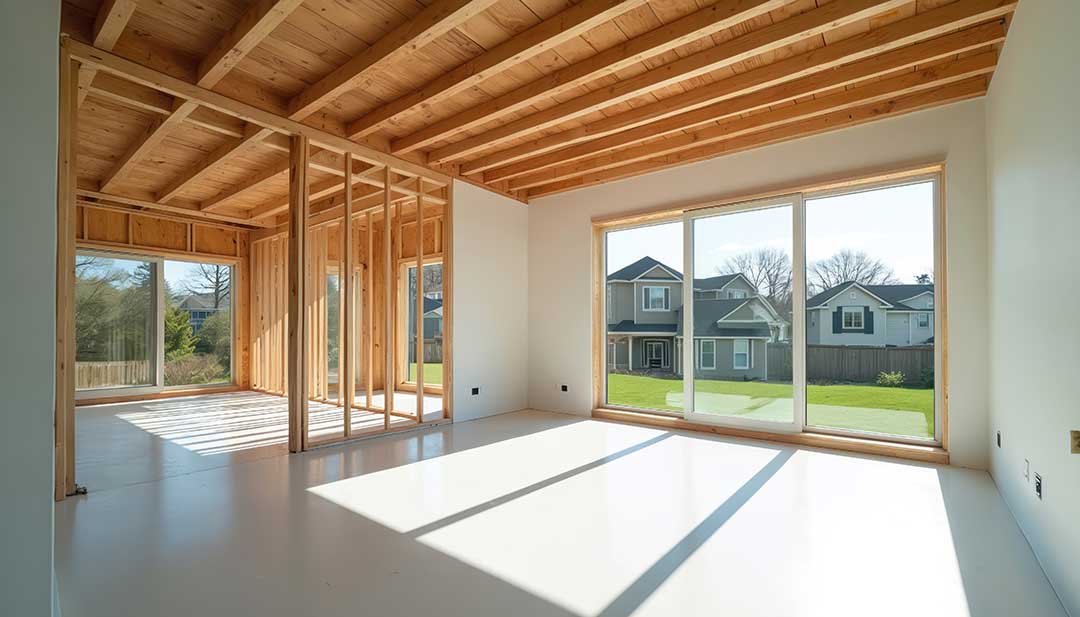
Water management also deserves careful review, even in a dry climate. Occasional heavy rain can reveal grading or drainage problems that are not obvious during a dry walkthrough. Soil movement, landscaping changes, and irrigation patterns may affect how water behaves around the foundation.
How should a punch list be organized?
A useful punch list is specific, prioritized, and easy to verify. It can be organized by room or by trade, but room-by-room organization is often easiest for a homeowner to use.
Each entry should include:
- The location
- A brief description of the problem
- A photograph when helpful
- The requested correction or follow-up
- The date identified
- The status after work is performed
Separate urgent concerns from ordinary cosmetic items. For example, an active plumbing leak should not be buried among paint touch-ups. Items requiring additional inspection or documentation should also be marked clearly.
Avoid combining several unrelated problems into one vague entry. Separate entries make it easier to confirm that every issue has been addressed.
How do homeowners verify completed punch-list work?
A punch-list item should be considered complete only after the result has been checked, not merely after someone says it was corrected. Revisit the original location and compare the completed work with the description and photographs.
Test items that involve operation:
- Open and close every window and exterior door
- Run faucets and inspect cabinets below them
- Flush toilets and check for leaks
- Test lights, switches, fans, and accessible outlets
- Operate appliances according to their normal functions
- Check that cabinets, drawers, locks, and latches work smoothly
- Inspect repaired surfaces in both natural and interior light
Some repairs may require time before they can be evaluated. Fresh paint, caulk, grout, concrete, and sealants may need to cure before they are exposed to water, heavy use, or cleaning.
Keep a copy of the original list, updated status notes, photographs, manuals, warranties, and any written explanations. These records can help distinguish unfinished construction work from normal maintenance or later wear.
Does completing the punch list eliminate future warranty issues?
No. A completed punch list does not replace warranty rights, maintenance responsibilities, or the need to report newly discovered problems through the proper process.
Some defects become visible only after the home experiences normal use, weather, temperature changes, or seasonal operation. Examples may include intermittent plumbing problems, air-conditioning issues, settlement-related cracks, drainage concerns, or windows and doors that change operation over time.
Homeowners should review the written warranty terms for deadlines, exclusions, emergency procedures, and documentation requirements. A punch list addresses conditions identified during a particular stage of construction; it is not a guarantee that no future repair or maintenance will be needed.