

 See My Latest Article on HelloNation
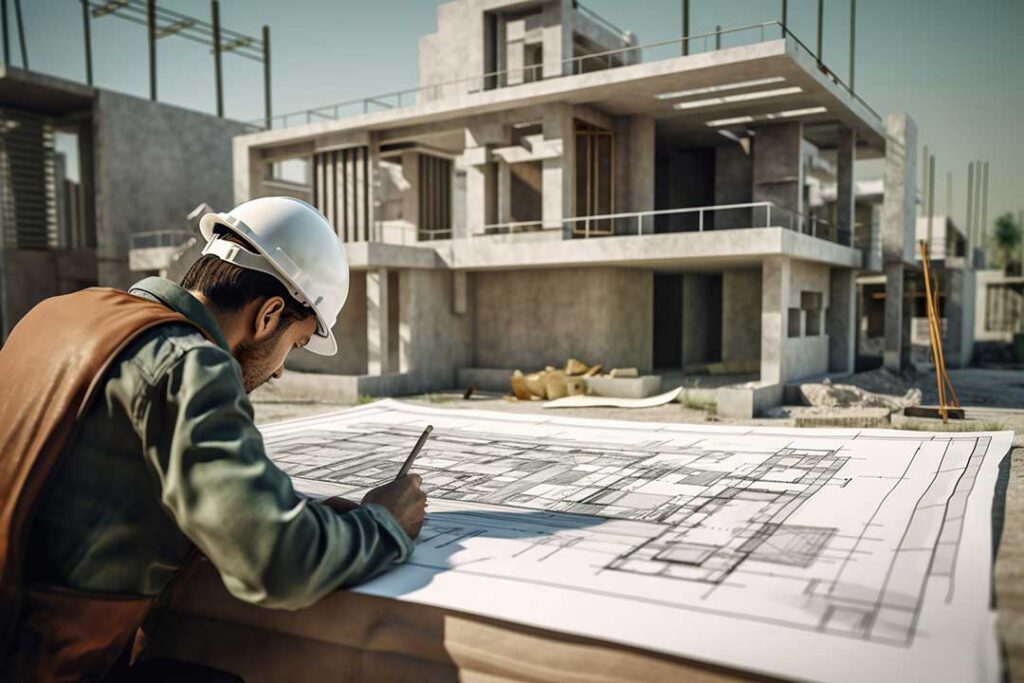
A home construction contract is more than a price and a set of floor plans. It is the written agreement that explains what will be built, who is responsible for each task, how payments work, what happens when plans change, and how disagreements will be handled.
For residents planning a new home in Odessa, TX, understanding the contract before signing can help prevent confusion later. Construction involves many moving parts, including design decisions, material deliveries, inspections, weather delays, subcontractors, financing, and final approval. The contract should explain how those issues are managed.
What should a home construction contract include?
A complete contract should identify the parties, describe the project, state the price, and establish a process for changes and disputes. If an important promise exists only in a conversation or text message, it may be difficult to prove later.
Look for these basic elements:
- The legal names and contact information of the property owner and contractor
- The property address and legal description, if available
- A detailed description of the home and included work
- Plans, specifications, finish schedules, and allowances
- The contract price and payment schedule
- The anticipated start date and substantial completion date
- A procedure for approving changes
- Responsibility for permits, inspections, utility connections, and cleanup
- Warranty terms and the process for reporting defects
- Insurance, risk of loss, and responsibility for damage
- Rules for cancellation, termination, mediation, arbitration, or court proceedings
Attachments are part of the contract if the agreement says they are incorporated. Make sure every referenced plan, specification, addendum, and allowance schedule is attached or clearly identified before signing.
How do you determine what is actually included?
The most useful question is: “What exactly will be delivered for the stated price?” A phrase such as “complete home construction” may sound clear but can leave many details unresolved.
Review the plans and specifications line by line. Check whether the contract addresses:
- Foundation type and site preparation
- Drainage, grading, and soil-related work
- Roofing materials and installation
- Windows, exterior doors, siding, masonry, or other exterior finishes
- Insulation and energy-related features
- Heating, cooling, plumbing, and electrical systems
- Cabinets, countertops, flooring, lighting, appliances, and hardware
- Fencing, landscaping, irrigation, driveways, sidewalks, and other exterior improvements
- Utility connections, meter fees, septic-related work, or other site costs
This is particularly useful in the dry, windy conditions common in the area. Exterior materials, drainage, dust control, roof details, and protection of unfinished work can affect both cost and schedule. If site preparation or drainage is described vaguely, ask for a written explanation of what is included and what could create an additional charge.
What are allowances, and why do they matter?
An allowance is a budget amount for an item that has not been selected or fully priced. Common examples include flooring, lighting, plumbing fixtures, appliances, cabinets, and countertops.
Suppose the contract contains a $4,000 flooring allowance, but the selected flooring and installation cost $5,500. The difference may be added to the contract price, sometimes along with a stated markup. If the final selection costs less, the contract should explain whether the savings are credited to the owner.
Read each allowance for three details:
- The amount assigned to the item
- Whether installation, delivery, taxes, and related materials are included
- How overages, savings, and contractor markups are calculated
An allowance is not necessarily a fixed price. Treating it as a guaranteed price is a common misunderstanding.
Is the contract price fixed?
The answer depends on the pricing structure. A fixed-price contract generally establishes a defined price for specified work, but it may still allow increases for owner-requested changes, concealed conditions, material substitutions, permit requirements, or other listed exceptions.
A cost-plus contract typically requires payment for actual costs plus a fee or percentage. This structure can make the final price less predictable, so the contract should explain how costs are documented and whether there are limits or approval requirements.
Look for terms such as:
- Fixed price
- Cost-plus
- Guaranteed maximum price
- Unit price
- Allowance
- Change order
- Escalation clause
- Concealed or differing site condition
Do not assume that a price is fixed merely because one total appears on the first page. Read the exceptions and adjustment clauses.
How should changes be handled?
Changes are common during construction, but verbal changes can create disputes. A sound contract should require written change orders that identify the revised work, added or deducted cost, and effect on the completion date.
Before approving a change, confirm:
- What work is being added, removed, or substituted
- The exact price adjustment
- Whether the change affects allowances
- Whether the construction schedule changes
- Who is responsible for ordering and installing the revised materials
- Whether the change affects warranties or inspections
A handwritten note, email, or text message may be useful evidence, but it should not replace the contract’s required change-order process if one exists.
What does the construction schedule really promise?

Many contracts state an estimated completion date rather than an absolute deadline. Review the definition of the start date, substantial completion, final completion, and possession.
The schedule section should explain how delays caused by weather, material shortages, inspections, design changes, labor availability, utility work, or events outside either party’s control are treated.
In Odessa, periods of high heat, strong wind, and sudden storms can affect excavation, concrete placement, exterior finishes, roofing, and site access. The contract should say whether such events extend the schedule and how notice of a delay must be provided.
Also check whether the contractor may occupy the property after substantial completion to finish minor work. A home can be usable while still having incomplete items, so the contract should explain the punch-list process and any final payment conditions.
What should you know about payments and retainage?
The payment section should connect each progress payment to a measurable stage of work. Avoid a schedule that requires large payments before meaningful progress is visible unless the contract clearly explains why.
Review:
- The amount due at signing
- Payment milestones
- Deposit and draw requirements
- Inspection or approval procedures
- Late-payment charges
- The final payment deadline
- Whether a retainage amount is held until completion
- Required receipts, releases, or affidavits
Texas residential construction contracts can involve specific rules concerning subcontractor and supplier claims, lien notices, lien waivers, and final payment documentation. Homeowners should read any statutory disclosure included with the contract and keep copies of payment records, receipts, notices, and signed releases.
For a homestead, Texas law includes additional requirements related to written contracts and lien rights. Because those requirements can depend on the property and transaction, legal questions should be reviewed with a qualified Texas attorney before signing or withholding payment.
What warranties and punch-list rights are included?
A warranty section should state what is covered, how long coverage lasts, and what is excluded. It should also explain how the owner must give notice of a problem and whether the contractor has a reasonable opportunity to inspect and correct the issue.
Ask whether the warranty covers:
- Structural components
- Roofing and water intrusion
- Heating and cooling systems
- Plumbing and electrical work
- Doors, windows, cabinets, flooring, and finishes
- Cracking, settlement, drainage, or grading concerns
- Appliances or products covered separately by manufacturers
Before final payment, walk through the home and create a written punch list. Include photographs, room locations, descriptions of the problem, and any agreed completion dates. Keep copies of all correspondence.
Which contract terms deserve extra attention?
Some provisions are easy to overlook but can significantly affect the homeowner’s rights:
- Termination: Understand when either party may end the contract and what happens to deposits, materials, and unfinished work.
- Dispute resolution: Determine whether disputes go to mediation, arbitration, or court, and where proceedings must occur.
- Attorney fees: Check whether the contract shifts legal costs to one party.
- Insurance and risk of loss: Identify who covers damage from fire, theft, storms, or vandalism during construction.
- Subcontractors: Learn whether the contractor may substitute subcontractors or materials.
- Assignment: Check whether either party can transfer the contract to another person or company.
- Entire agreement: This clause may state that earlier conversations are not part of the final agreement.
- Notice requirements: Follow required methods, addresses, deadlines, and delivery procedures.
Never sign with blank spaces, missing attachments, or unresolved promises marked “to be determined.” Cross out unused sections if appropriate, initial changes, and make sure every party receives the same complete version.
A construction contract does not need to be written in complicated language to be enforceable or useful. It needs to be specific enough that the owner and builder can understand what will happen, when it will happen, how much it will cost, and what procedure applies if circumstances change. For a major financial commitment, legal review may be appropriate before signing, especially when the contract includes unusual payment terms, lien provisions, arbitration requirements, or broad disclaimers.