

 See My Latest Article on HelloNation
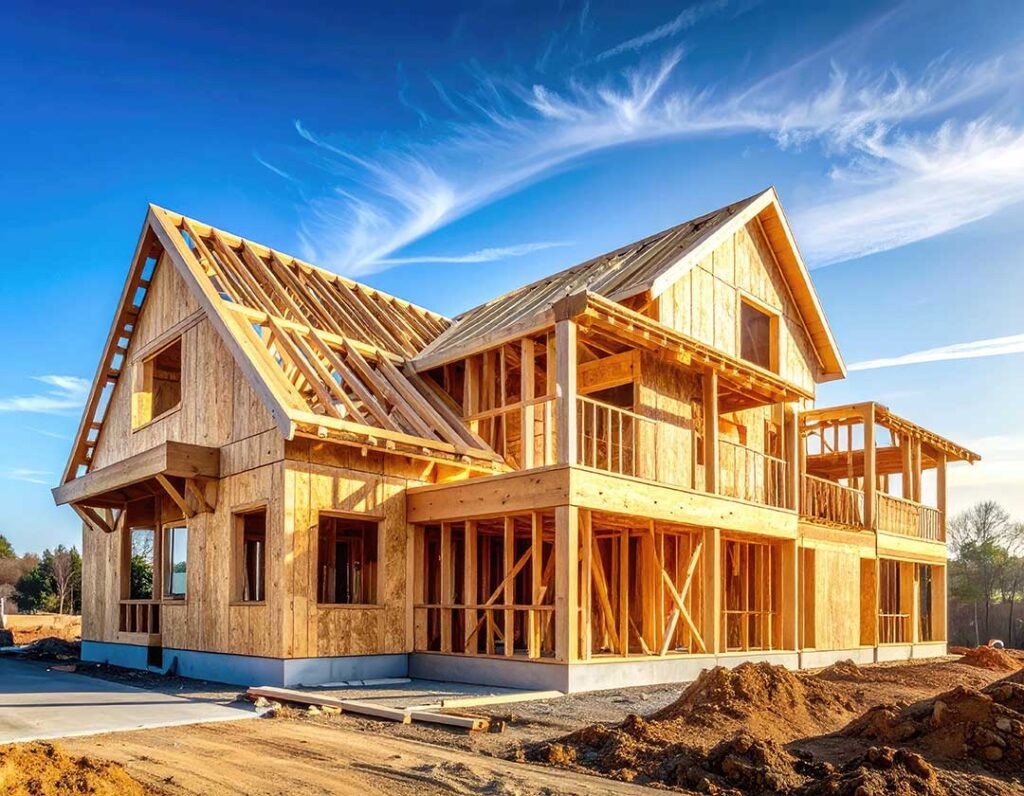
Choosing a home builder is not only about comparing floor plans, prices, or design features. The interview process can reveal how a builder communicates, documents decisions, handles problems, and manages responsibility after construction begins.
For residents of Odessa, TX, local conditions add another layer to the conversation. Heat, wind, dust, expansive soil in some areas, water management, and seasonal weather can affect construction methods and long-term maintenance. A builder who cannot explain how those conditions are addressed may not be prepared to deliver a durable home.
What are the biggest red flags when interviewing a home builder?
The most serious warning signs are vague answers, pressure to make quick decisions, reluctance to provide documents, and unwillingness to explain who is responsible for each part of the project.
A professional interview should feel like a two-way evaluation. The builder is learning about the household’s needs, while the homeowner is determining whether the builder is organized, transparent, and capable of managing a complex project.
Be cautious if a builder:
- Avoids direct answers about licensing, insurance, contracts, or warranties
- Promises that the final price will not change without explaining allowances and exclusions
- Pressures the homeowner to sign immediately
- Discourages independent inspections
- Cannot clearly identify the construction supervisor or primary point of contact
- Speaks negatively about every past customer, subcontractor, or inspector
- Provides only carefully selected references
- Has no organized process for handling changes, delays, or disputes
One questionable answer may reflect poor communication. Several of these behaviors together suggest a higher risk.
Why are vague estimates a warning sign?
A vague estimate can make a project appear less expensive than it will actually be. The concern is not that every early estimate will be exact; new-home pricing often changes as plans, materials, and selections become more specific. The concern is whether the builder can explain what the number includes.
Ask whether the estimate covers:
- Site preparation and grading
- Foundation work and soil-related requirements
- Utility connections
- Driveways, sidewalks, fencing, and drainage features
- Permits and inspection-related costs
- Appliances, lighting, plumbing fixtures, and flooring
- Insulation, windows, roofing materials, and energy-related features
- Construction cleanup and final corrections
Pay attention to terms such as “allowance,” “budget,” “standard,” and “owner responsibility.” An allowance may be a placeholder rather than a fixed cost. If the selected materials cost more than the allowance, the homeowner may pay the difference.
A trustworthy explanation identifies assumptions and separates fixed costs from items that remain uncertain.
What should a builder explain about the contract?
The contract should describe the scope of work, payment schedule, change-order process, completion expectations, warranty terms, and procedures for resolving disagreements.
A red flag appears when the builder says the contract is merely a formality or suggests that important promises can remain verbal. Verbal conversations can be useful, but major decisions should be written into the agreement or related documents.
Before signing, ask:
- What happens if materials become unavailable?
- How are price increases handled?
- What conditions allow the completion date to change?
- Who pays for work caused by unexpected site conditions?
- How are owner-requested changes priced and approved?
- What must be completed before the final payment?
- How are warranty concerns submitted and tracked?
A builder who becomes impatient with these questions may be signaling that the paperwork is not designed to protect both sides equally.
Why should homeowners ask about subcontractors and supervision?
Most builders rely on subcontractors for specialized work. That is common, but the builder still needs a system for scheduling, supervision, inspections, and correcting defective work.
Ask who will be responsible for:
- Coordinating foundation, framing, roofing, electrical, plumbing, and heating or cooling work
- Confirming that each stage is completed before the next begins
- Protecting materials from weather exposure
- Keeping the site reasonably organized
- Documenting changes and inspection results
- Addressing work that does not meet the plans or contract
A builder who says, “The subcontractors handle that,” without describing oversight may not have adequate project control. In a hot, windy, dusty environment, site protection and material storage deserve specific attention. Exposed framing, improperly stored finishes, and rushed installation can create problems that are not obvious during a brief walkthrough.
What local construction questions matter in Odessa?
Local conditions should be part of the interview, not an afterthought. Ask the builder how the design and construction process accounts for heat, wind, soil movement, drainage, and long-term energy use.
Useful questions include:
- How is the building site evaluated before foundation work begins?
- What soil information is used to select the foundation approach?
- How are drainage patterns established around the home?
- What measures protect the structure from intense heat and wind-driven dust?
- How are roofing, flashing, windows, and exterior sealants selected?
- What insulation and air-sealing practices are included?
- How will the heating and cooling system be sized for the finished home?
- How are outdoor materials protected before installation?
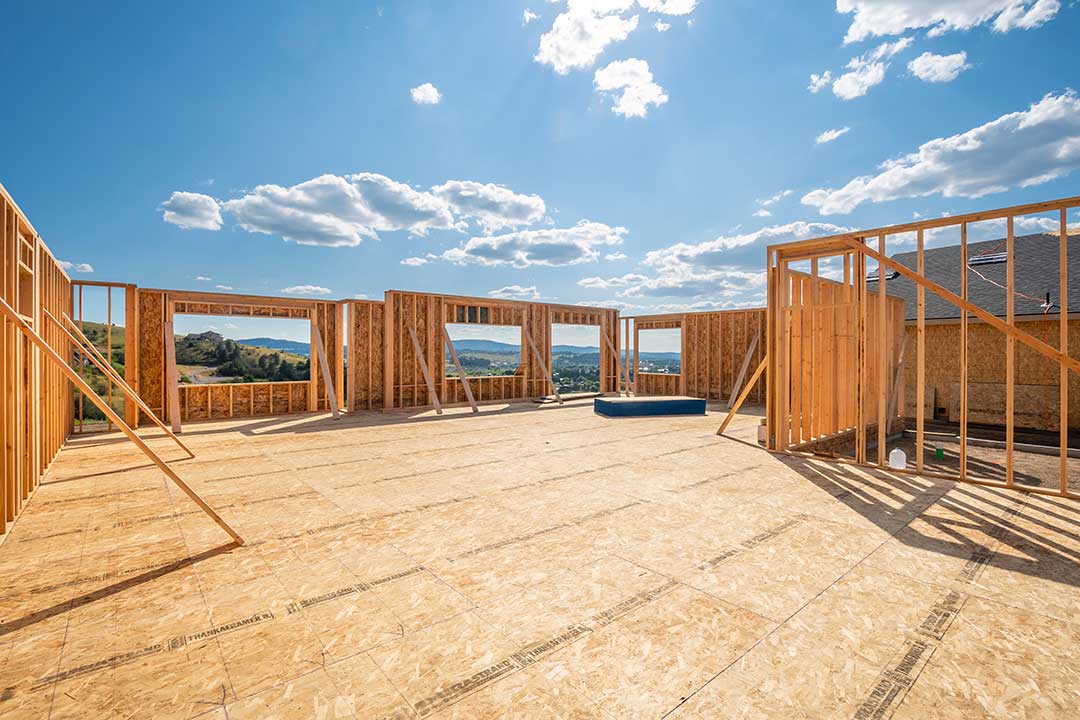
The goal is not to demand a particular construction method without understanding the site. The goal is to determine whether the builder recognizes local challenges and can explain the reasoning behind the proposed solutions.
Is reluctance to allow independent inspections a red flag?
Yes. A builder may have internal quality-control procedures, but that does not eliminate the homeowner’s right to understand the condition of the work.
Independent inspections can be arranged at appropriate stages, such as after foundation work, during framing, before insulation is covered, and near completion. The exact timing depends on the project and local requirements.
A builder who welcomes reasonable inspections demonstrates confidence in the process. Resistance may indicate concern about transparency, schedule pressure, or incomplete work. Be especially cautious if the builder insists that only company personnel can inspect the home or refuses to provide access under reasonable safety rules.
How can references be misleading?
References are useful, but they should not be treated as proof of consistent performance. A builder is likely to provide contact information for satisfied customers, and a recent project may not reveal how the builder handles warranty issues years later.
Ask references specific questions:
- Were costs and completion expectations clearly explained?
- How often did the builder communicate?
- Were changes documented before work proceeded?
- How were delays handled?
- Did the builder correct problems without repeated pressure?
- What happened after move-in?
- Would the homeowner choose the same builder again?
Search for patterns rather than a single enthusiastic review. If every reference is unusually vague, unusually recent, or unwilling to discuss problems, the information may be incomplete.
What behavior during the interview should concern homeowners?
The builder’s conduct can be as revealing as the technical answers. Interrupting frequently, dismissing questions, mocking other professionals, or treating budget concerns as unreasonable can foreshadow difficult communication later.
A good interview does not require the builder to promise that nothing will go wrong. Construction involves weather, supply issues, inspections, design decisions, and unexpected site conditions. A more meaningful sign is whether the builder explains how problems are identified, documented, priced, and corrected.
Homeowners should also watch for a mismatch between polished sales language and weak operational details. A builder may describe a home as highly efficient, durable, or custom-built, but those claims should connect to specific materials, installation practices, testing, and written specifications.
How should homeowners compare builders after the interviews?
Use the same questions for each builder and record the answers while they are fresh. Compare documentation and processes, not just the lowest proposed price.
A simple comparison can include:
- Completeness of the estimate
- Clarity of the contract
- Communication schedule
- Site supervision
- Change-order procedures
- Warranty process
- Inspection policy
- Experience with similar homes and local site conditions
- References from completed projects
- Professionalism during difficult questions
The strongest choice is not automatically the most expensive or the least expensive. It is the builder whose answers are specific, whose documents match the conversation, and whose process gives the homeowner a clear way to understand decisions and address problems.