

 See My Latest Article on HelloNation
Why Building Materials Make a Difference in Odessa, TX Homes
Materials used in construction directly impact how much energy a home uses for heating and cooling. In Odessa, TX, where summer highs can soar above 95°F and winter nights dip near freezing, choosing the right materials is crucial for comfort and lower utility costs.
Energy efficiency isn't just about insulation—local climate, sunlight, wind, and even soil conditions matter. Materials that work well in cooler, wetter climates may underperform in the arid, sun-baked landscape characteristic of this region.
What Insulation Materials Offer the Most Savings?
For the Odessa area, insulation is the first line of defense against extreme heat and chilly winter air. The best choices balance cost, availability, and performance.
Fiberglass batts and blown-in cellulose
- Readily available and effective when installed to recommended thickness.
- Fiberglass batts are common in attics and walls; cellulose is popular for existing wall cavities.
- Both resist heat transfer, slowing temperature swings in living spaces.
Spray foam insulation
- Provides a tight seal, filling gaps and cracks better than most other options.
- Open-cell spray foam offers soundproofing but less thermal resistance; closed-cell provides a higher R-value and moisture barrier.
- Especially helpful for unikely-shaped spaces and sealing air leaks.
Rigid foam boards
- Often used on exterior walls or beneath siding to add a continuous insulation layer.
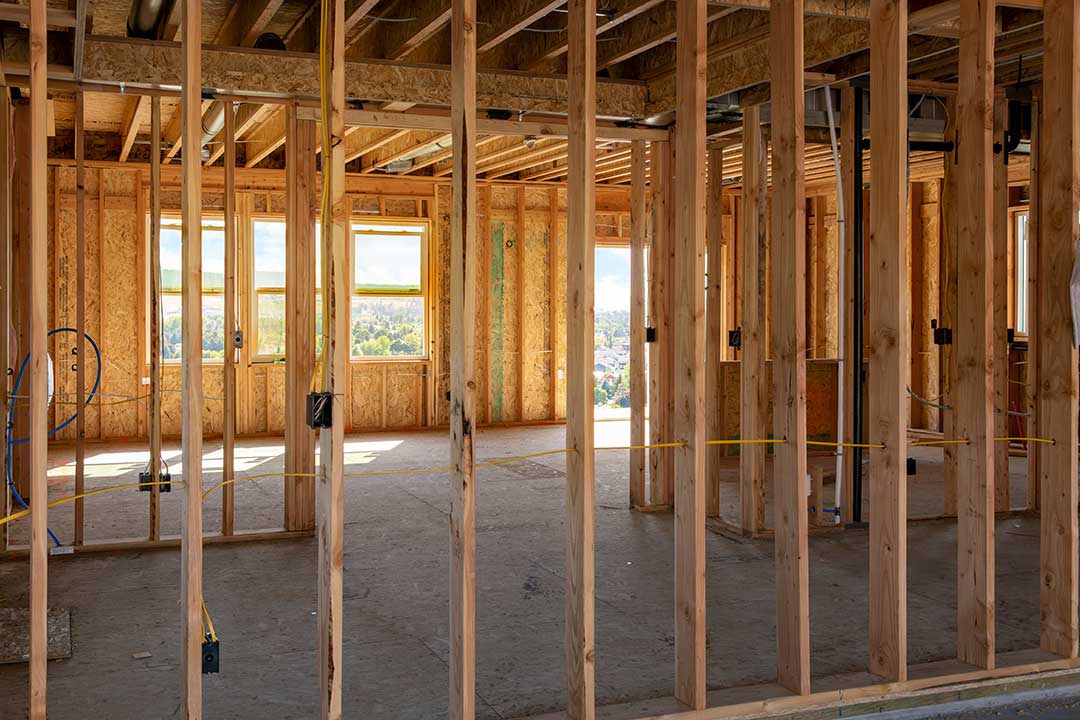
- Help reduce thermal bridging (heat slipping through wall studs), a common problem with traditional framing.
Odessa homes built before the last decade may have under-insulated attics, making additional insulation a high-impact upgrade.
Which Wall Materials Work Best in Odessa’s Climate?
The wall system plays a central role in a home’s energy efficiency, especially in areas with dramatic temperature swings.
Concrete block and insulated concrete forms (ICFs)
- Concrete block, popular in some local neighborhoods, holds temperature longer than wood frame construction.
- ICFs are hollow blocks filled with insulation and concrete, reducing air leakage and providing thermal mass that evens out day-night temperature changes.
- Both systems perform well in Odessa’s climate and resist wind and storm damage.
Structural insulated panels (SIPs)
- Panels sandwich a rigid foam core between layers of board or plywood.
- Provide excellent insulation and minimal air infiltration.
- Reduce wall gaps where energy often escapes in traditional framing.
Do Windows and Doors Make a Big Difference?
Absolutely. Openings are frequent weak spots for energy loss in homes in this region.
Low-E (low emissivity) windows
- Feature special coatings that reflect ultraviolet and infrared light while letting visible light inside.
- Help keep interiors cool in scorching summers and reduce heat loss in winter.
Double- or triple-pane glass
- Multiple layers of glass separated by insulating gas (typically argon) greatly reduce thermal exchange.
- Frames made from vinyl or fiberglass insulate better than aluminum.
Properly fitted and insulated exterior doors
- Solid-core doors and weatherstripping prevent air leakage and drafts, especially useful when cold fronts sweep through overnight.
Homeowners often underestimate how much older, single-pane windows can affect both comfort and electricity bills during Odessa’s peak seasons.
How Does Roofing Material Affect Efficiency?
A roof’s material and color play a huge role in energy costs, particularly with Odessa’s long, sunny summers.
Cool roofing materials
- Asphalt shingles with reflective granules, metal roofing with reflective coatings, and white membrane roofs all reduce heat absorption.
- Lower attic temperatures lead to less air conditioning use.
Clay and concrete tiles
- Absorb less heat and stand up well to intense sun.
- Heavier than other options, but provide additional thermal mass, which helps maintain steady indoor temperatures.
A light-colored or reflective roof is especially helpful for homes in open spaces exposed to direct sun most of the day.
What Are Common Misconceptions About Energy Efficient Building Materials?
Some local households believe that thick walls or heavy insulation alone solve efficiency problems, but proper installation and air sealing are just as important. Others assume energy efficient products are always expensive, but many upgrades—like adding insulation or sealing windows—pay for themselves over time through lower utility bills.
Another overlooked factor is the role of ventilation. While sealing up a home is essential to cut energy loss, good airflow prevents indoor air quality issues, especially important in areas with dust or pollen.
Are Any Materials Better Suited for High Wind or Hail?
Odessa’s spring storms can bring high winds and hail, so durable materials are key. Impact-resistant roofing and siding—like composite shingles or fiber cement—can reduce damage and maintenance costs. Reinforced concrete and ICF walls provide both insulation and strength, making them a practical choice for long-term efficiency and safety.
What Else Should Residents Consider Before Choosing Materials?
Selecting materials isn’t just about energy performance. Availability, upfront cost, maintenance needs, and compatibility with existing structures all influence what works best for Odessa homes. Reviewing local building codes and fire safety requirements guides decisions as well.
Energy modeling tools can sometimes be used to estimate potential savings by comparing different materials or construction methods, considering the area’s unique climate data.